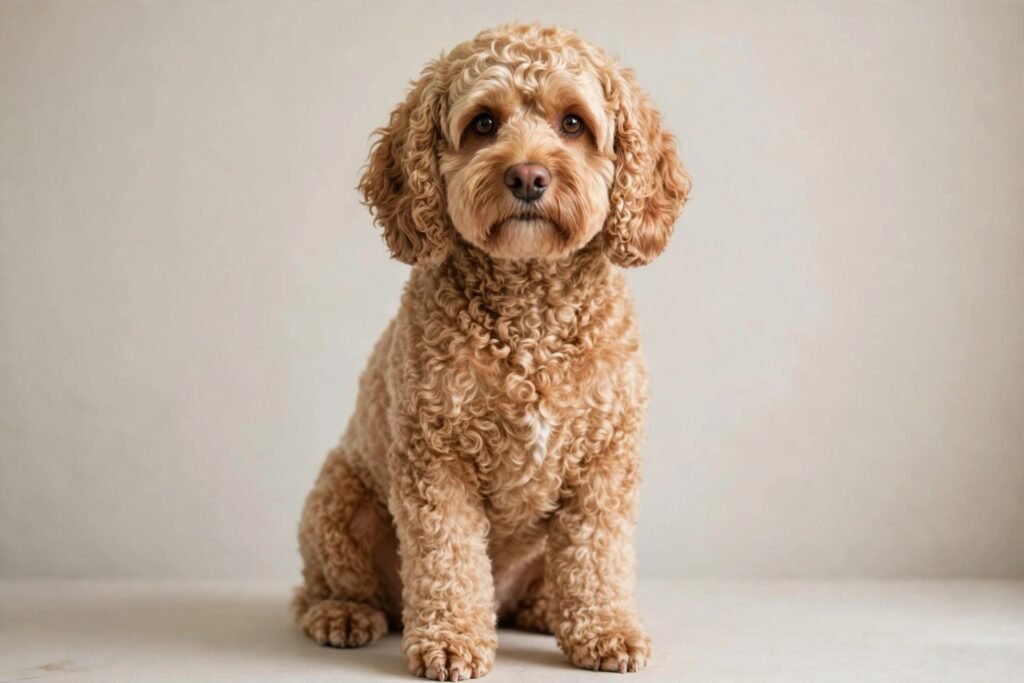
Decode your Cockapoo’s smell by source — yeasty ears, fishy glands, bad breath, skin yeast, wet coat — with the fix for each and when to see the vet.
Quick answer: Cockapoos are not naturally smelly dogs — their Poodle heritage gives them a low-odor coat. A bad smell usually has a specific source: yeasty or sour ears mean an ear infection, a fishy smell means full anal glands, bad breath means dental disease, and a musty, greasy coat means skin yeast or allergies. Find the source first, then fix that.
Introduction
If your Cockapoo suddenly smells, do not just reach for the shampoo. A bath masks the smell for a day and leaves the cause untouched. The faster route is to work out where the smell is coming from, because each source smells different and each one has a different fix. This guide decodes each one: smell, source, fix, and when to call the vet.
The smell decoder: match the smell to the source
| Smell | Most likely source | Check first | Fix |
|---|---|---|---|
| Sour, yeasty, like old bread | Ear infection | Inside the ear flaps — redness, dark wax, head shaking | Vet-prescribed ear drops; weekly ear cleaning |
| Fishy, sharp, hard to wash off | Anal glands | Scooting, licking the rear, a swollen spot beside the anus | Vet or groomer expresses the glands |
| Rotten breath, worse up close | Dental disease | Gums, tartar on the back teeth, drooling or pawing at the mouth | Daily brushing, dental chews, professional cleaning |
| Musty, greasy, like damp socks | Skin yeast or allergies | Belly, armpits, paws — redness, flakes, itching | Vet diagnosis, medicated shampoo, allergy plan |
| Wet dog, stronger when damp | Wet coat and trapped bacteria | Coat after rain, baths, or swimming | Dry thoroughly; regular brushing and bathing |
| Urine-like, on the belly fur | Urine on the coat or a urinary infection | Belly and leg fur, how often they urinate | Sanitary trim; vet visit if urination is frequent or painful |
| Rotten food or garbage | Scent roll | Coat, especially neck and shoulders | Bath with a deodorizing dog shampoo |
 CockapooDaily
Use the table as your starting point, then read the section that matches your dog’s smell.
1. Sour or yeasty smell: the ears
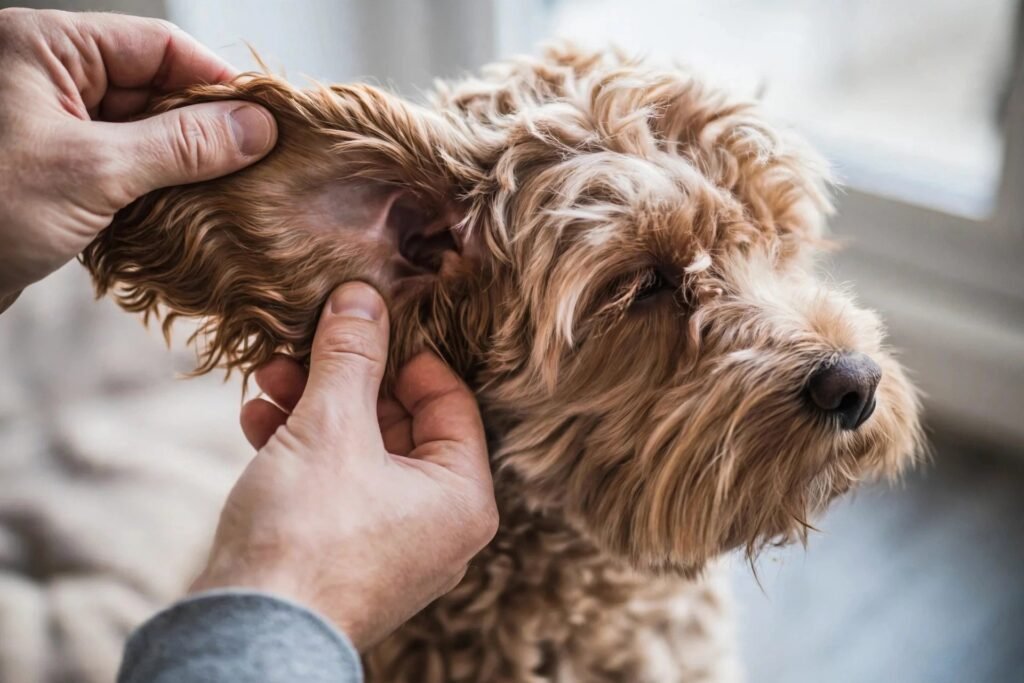
This is the number one cause, and it is the one owners miss most often. Cockapoos have long, floppy ears covered in hair. That shape traps warmth and moisture, which is exactly the environment yeast and bacteria love. An ear infection often smells sour or yeasty, and the smell can be surprisingly strong even when the ear looks only slightly red from the outside.
Check by lifting the ear flap and looking inside. Warning signs are dark brown or black waxy discharge, redness, swelling, head shaking, scratching at the ear, or your dog flinching when you touch the ear. A healthy ear has a small amount of light-colored wax and no strong smell.
The fix depends on what is growing in there, which is why a vet visit matters for a first infection. Your vet will identify whether it is yeast, bacteria, or ear mites and prescribe the right drops. Do not pour home remedies into an infected ear — vinegar and similar mixes sting inflamed skin. Once it clears, prevention is weekly cleaning with a vet-recommended ear rinse and keeping the ears dry after baths and swimming.
For the full picture — symptoms, cleaning steps, and when an infection becomes an emergency — see our guide to Cockapoo ear infections.
2. Fishy smell: the anal glands
If the smell is fishy, sharp, and seems to cling to the fur and furniture, the anal glands are the prime suspect. Every dog has two small scent glands on either side of the anus. They normally empty on their own during bowel movements. When they do not empty properly, they overfill, get impacted, and leak a foul, fishy fluid that can stain the fur around the tail.
The giveaway behaviors are scooting — dragging the rear along the floor — excessive licking around the tail, difficulty sitting, or a swollen, tender spot beside the anus. The smell often appears suddenly and does not fade after a bath, because the source is not the coat.
The fix is to have the glands expressed by your vet or an experienced groomer. Do not do it yourself: squeezing the wrong way can cause pain, bruising, or an abscess. If the glands keep filling up, your vet will look for the reason — soft stools, a low-fiber diet, food allergies, and being overweight are common contributors. Adding fiber to the diet (your vet can suggest the right amount and form) and keeping stools firm often helps the glands empty naturally.
See a vet promptly if the area is red, hot, swollen, or leaking pus or blood, or if your dog is in obvious pain. An infected or abscessed gland needs treatment, not just expression. Our full guide covers the signs, the procedure, and prevention: Cockapoo anal glands.
3. Bad breath: the teeth and gums
Bad breath in dogs is not normal, even though many owners assume it is. If your Cockapoo’s mouth smells rotten, or the smell hits you when they pant near your face, dental disease is the likely cause. Plaque and tartar build up on the teeth, bacteria colonize the gumline, and the result is gingivitis, gum disease, and eventually loose or painful teeth.
Check the mouth if your dog will let you: look for yellow-brown tartar on the back teeth, red or bleeding gums, drooling, dropping food, chewing on one side, or pawing at the mouth. Small breeds and Poodle mixes are prone to crowded teeth, which trap plaque faster, so Cockapoos need dental care from puppyhood, not just in old age.
The fix starts at home. Brush your Cockapoo’s teeth two to three times a week at minimum — daily is better — with a dog toothpaste (never human toothpaste, which contains ingredients dogs should not swallow). Dental chews approved by the Veterinary Oral Health Council help between brushings, and a professional dental cleaning under anesthesia is needed once tartar has hardened; no chew or water additive removes tartar that is already there.
One exception: breath that suddenly turns sweet or unusually foul, combined with drinking and urinating more than usual, can signal diabetes or kidney disease. That combination is a vet visit, not a toothbrush problem. For brushing technique, toothpaste choices, and the signs that mean a professional cleaning: Cockapoo dental care.
4. Musty or greasy smell: skin yeast and allergies
This is the smell owners describe as “my Cockapoo smells even right after a bath.” The coat is clean, but the smell returns within a day or two. That pattern points to the skin itself, not dirt. Allergies — to food, pollen, dust mites, or grass — inflame the skin, which then produces excess oil. Yeast thrives on that warm, oily skin, especially in the belly, armpits, groin, and between the toes, and yeast smells musty and sour.
Check the skin in those warm spots. Look for redness, greasy or flaky patches, blackened or thickened skin, hair loss, and constant licking or chewing — especially of the paws. Paw licking is a classic allergy sign and often comes with a smell owners describe as corn chips or stale popcorn. That is yeast between the toes.
The fix has two parts: treat the yeast and find the allergy. Your vet may prescribe a medicated shampoo (often used two to three times a week at first, then tapered), and may test for food or environmental allergies. Bathing more often with a regular shampoo will not solve this — over-bathing strips the skin’s natural oils and can make the yeast worse. What helps is the right shampoo, drying the coat fully after every bath and swim, and following the allergy plan your vet sets, whether that is a diet trial, allergy medication, or both.
Do not start steroids, antibiotics, or antifungals on your own, and do not keep switching foods to guess the allergy — a proper elimination diet trial takes about eight weeks on one protein and one carbohydrate source. Our guide to the symptoms, the common triggers, and the home-care routine is here: Cockapoo itchy, dry skin.
5. Wet dog smell: the coat itself
Sometimes the smell really is just the coat. Cockapoos have thick, curly coats that trap dirt, moisture, and bacteria. When the coat gets wet — rain, a bath, a swim, a muddy walk — the bacteria and yeast that normally live quietly on the skin become active, and the smell rises. It fades as the coat dries, which is the clue: if the smell disappears once your dog is fully dry, the coat was the problem.
The fix is drying, not more baths. Towel-dry thoroughly, then use a low-heat blow dryer if your dog tolerates it, and brush the coat out while it dries so damp clumps do not stay trapped against the skin. A coat left damp under mats is a recipe for a smell that lingers for days, and for hot spots.
Bathing frequency matters too. Most Cockapoos do well with a bath every three to four weeks, more often only if they have rolled in something or gotten genuinely dirty. Bathing every week with a harsh shampoo dries the skin out, and dry, irritated skin produces more oil — which smells worse, not better. Use a gentle, dog-specific shampoo, rinse thoroughly (leftover residue invites bacteria), and always dry completely. For the full schedule by coat type and activity level: How often should you bathe a Cockapoo?
6. The scent roll: when your Cockapoo smells like something dead
Every Cockapoo owner knows this one. Your dog finds fox droppings, another animal’s waste, a dead bird, or garbage on a walk, drops a shoulder, and rolls in it with pure joy. The smell is unmistakable and it clings to curly fur far longer than it would to a short coat.
There is no medical mystery here — the fix is a bath, and for the worst cases, a deodorizing dog shampoo or a diluted white-vinegar rinse (one part vinegar to four parts water, applied after shampooing, then rinsed out) helps break down the oils that hold the smell. Check the skin afterward for any cut or irritation under the mess, since rolling in rough ground can hide a small wound, and a wound that smells sweet or rotten needs a vet look.
A solid recall and a leash in areas where animals scavenge will cut down how often it happens.
7. Smells that mean “vet, now” — the red flags
Most Cockapoo smells are fixable at home or with a routine vet visit. These signs are not:
- A smell that appears suddenly and is very strong, especially with lethargy, loss of appetite, or vomiting.
- A wound, sore, or hot spot that smells rotten or sweet — that is infection until proven otherwise.
- A fishy smell with a swollen, red, or bleeding area near the anus.
- Bad breath combined with drinking and urinating far more than usual, or with weight loss.
- A urine-like smell with straining, frequent urination, or blood in the urine.
- Any smell that does not improve after you have fixed the obvious cause and bathed the dog properly.
If your Cockapoo still smells after a bath, the odor is almost certainly coming from inside — ears, teeth, skin, or glands — and that is the point to stop bathing and start diagnosing.
The routine that keeps a Cockapoo smelling fresh
Once you have fixed the cause, this routine keeps the smell from coming back:
- Brush two to three times a week (daily for tight curls) so dirt and loose hair do not build up in the coat.
- Bathe every three to four weeks with a gentle dog shampoo, and dry the coat fully every time.
- Clean the ears weekly with a vet-recommended rinse, and check inside them during the same session.
- Brush teeth two to three times a week, and book a professional cleaning when your vet advises it.
- Wash bedding weekly — beds and blankets absorb body oils and hold smells long after the dog is clean.
- Keep the fur around the rear and belly trimmed short (a sanitary trim) so urine and feces do not cling to the coat.
- Book a vet check at least once a year.
FAQ
Are Cockapoos naturally smelly dogs?
No. Cockapoos are generally low-odor dogs thanks to their Poodle heritage and low-shedding coat. A noticeable smell usually means something specific is going on — an ear infection, skin problem, dental issue, or anal gland trouble — and most of those causes are fixable.
Why does my Cockapoo still smell after a bath?
Because the source is not the coat. If the smell survives a proper bath and full drying, it is coming from the ears, teeth, skin, or anal glands. Match the smell in the decoder table, check that spot, and see your vet if the cause is medical.
Why does my Cockapoo smell fishy?
A fishy smell almost always means the anal glands are full, impacted, or infected. Look for scooting, licking around the tail, and a swollen spot beside the anus. Have your vet or groomer express the glands, and see a vet promptly if the area is red, hot, or painful.
Why does my Cockapoo smell like urine?
Usually urine has soaked into the belly or leg fur, which a sanitary trim and a bath will fix. If the smell persists, or your dog is urinating more often, straining, or seems in pain, it may be a urinary tract infection — that needs a vet visit and a urine test.
How often should I bathe my Cockapoo to stop the smell?
Every three to four weeks is right for most Cockapoos. Bathing more often with a harsh shampoo dries the skin and can make the smell worse. If the smell returns within a day or two of a bath, the cause is medical, not dirt — find the source instead of bathing again.
Conclusion
A smelly Cockapoo is not a dirty Cockapoo — it is a Cockapoo telling you where to look. Match the smell to the source, fix that source, and call the vet when the signs point to infection or pain. Do that, and your dog will smell the way a Cockapoo should: like nothing much at all.
Leave a Reply