
Adopting a Cockapoo rescue in the USA? Learn where to look, what fees usually include, how senior adoption works, and what the first month looks like.
Quick answer: To adopt a Cockapoo rescue in the USA, search Adopt-a-Pet, Petfinder, and local shelters using “Cockapoo” and “Poodle mix,” expect a $100 to $500 adoption fee that usually covers spay or neuter, vaccines, and microchip, and allow 3 days to decompress, 3 weeks to learn your routine, and 3 months to fully settle in.
Buying a Cockapoo puppy from a breeder is the path most people know. Adopting a Cockapoo from a rescue or shelter is the path fewer people know, and it is often the better fit — especially for owners who want an adult dog, a senior companion, or a dog whose personality is already known. The problem is information: search results for Cockapoo rescue are mostly listings of individual dogs, not a guide to how adoption actually works.
This guide fills that gap. It covers where to look in the United States, what the application process really involves, what fees usually include, why senior Cockapoos are often the best-kept secret in rescue, and what the first month at home looks like, week by week. It does not list dogs currently available — listings change daily — but it gives you everything you need to find and adopt one successfully.
Where to Look for a Cockapoo Rescue in the USA
Cockapoos rarely appear under their own breed filter in every system, because shelters and databases classify them differently. Searching smartly matters more than searching often.
Adopt-a-Pet and Petfinder. These are the two largest US adoption search sites, and both let you search by breed and location. Search “Cockapoo” first, then broaden to “Poodle mix,” “Cocker Spaniel mix,” and “small mixed breed,” because many Cockapoos are listed under a parent breed or a generic mix label. Set up email alerts for your area so new listings reach you the day they post; popular small dogs are often adopted within days.
Local shelters and humane societies. County shelters, city animal control, and local humane societies all take in Cockapoos, especially owner surrenders after a move, a divorce, or a change in circumstances. Visit in person when you can: staff know dogs that have not been posted online yet, and a dog’s behavior in a kennel can look very different from its behavior at home.
Breed-specific and doodle rescues. Some rescues specialize in Poodle mixes, doodles, or small companion breeds, and they often have foster networks across several states. Search for “Poodle mix rescue” and “doodle rescue” in your state as well as “Cockapoo rescue,” since a Cockapoo may be listed with either group.
Rescue Me and foster networks. Rescue Me lists dogs by breed and state, including many foster-based rescues that do not have a shelter building. Foster-based rescues are especially valuable for Cockapoos, because the foster family can tell you how the dog behaves in a home: house-trained or not, good with kids or not, quiet or barky, cuddly or independent.
A note on “Cockapoo rescue near me.” There is no single national Cockapoo rescue with dogs in every state. The phrase is a search, not an organization. If a website claims to be “the” Cockapoo rescue and asks for payment before you meet a dog, treat it with caution and verify it through the shelter or rescue’s own channels. Legitimate rescues never ask you to pay before an application and a meet-and-greet.
The Adoption Process, Step by Step
Rescue adoption is slower than buying from a breeder, and that is intentional. Rescues are trying to match a dog to a home that will last, not to move inventory. A typical US process looks like this:
1. Application. Expect questions about your home, yard, work schedule, other pets, children, previous dog experience, and why you want a Cockapoo. Answer honestly; rescues are not looking for a perfect home, they are looking for an honest match. A fenced yard helps, but many rescues adopt to apartment dwellers with a solid walking plan.
2. Reference and vet checks. Many rescues call your veterinarian (if you have had pets before) and one or two personal references. If you rent, they may check that your landlord allows dogs. This step usually takes a few days, not weeks, unless the rescue is volunteer-run and short-staffed.
3. Meet-and-greet. You meet the dog, often with your other dogs and sometimes with children, to see how everyone gets along. For a Cockapoo, watch how the dog greets people, whether it settles after the initial excitement, and how it responds to handling of ears, paws, and mouth — all useful information for grooming and vet visits later.
4. Home check. Some rescues visit your home, others do a video call, and some skip this step for experienced owners. The check is about safety — fence gaps, toxic plants, pool access — not about how tidy your house is. Tidy up the hazards, not the whole home.
5. Trial or foster-to-adopt period. Some rescues offer a trial of a few days to two weeks before finalizing. Take it if offered. A trial is the best way to learn how a dog actually lives in your home, and a rescue that offers one is confident in its matching.
6. Finalization and paperwork. You sign an adoption contract, pay the fee, and receive the dog’s medical records, microchip information, and any known history. The contract usually includes a return clause: if the adoption does not work out, the dog comes back to the rescue, not to a shelter or a new home you find yourself. That clause protects the dog, and it is a sign of a responsible rescue.
Total time varies widely: a local shelter may finalize in a day or two, while a popular foster-based rescue may take one to three weeks from application to adoption day. If a rescue takes longer, it is usually because volunteers are processing applications in batches, not because your application failed.
What Adoption Fees Usually Include
Cockapoo adoption fees in the United States typically fall between about $100 and $500, with most adult dogs in the $200 to $400 range. Puppies and highly sought-after young dogs may be at the higher end, while senior dogs are often lower, and some rescues waive fees for senior citizens adopting senior dogs. Fees vary by region, by rescue, and by what the dog has already received, so treat these ranges as typical, not as a price list.
What the fee usually covers is more important than the number:
- Spay or neuter surgery, if not already done
- Core vaccines and rabies vaccine
- Microchip and registration
- Deworming and flea and tick prevention
- Heartworm testing, and treatment if needed
- A vet exam before adoption
Compare that with the cost of buying a puppy and paying for all of those separately, and adoption is usually the better value — before you even count the fact that many rescue Cockapoos are already house-trained and past the destructive puppy phase. For the full cost picture of owning a Cockapoo, including food, grooming, and vet care, see our guide to how much a Cockapoo costs.
Be cautious about fees that seem too low with no medical records, or fees far above the typical range with no explanation. A legitimate rescue can explain exactly what your fee covers and show you the vet records to prove it.
 CockapooDaily
Adopting a Senior Cockapoo: The Best-Kept Secret
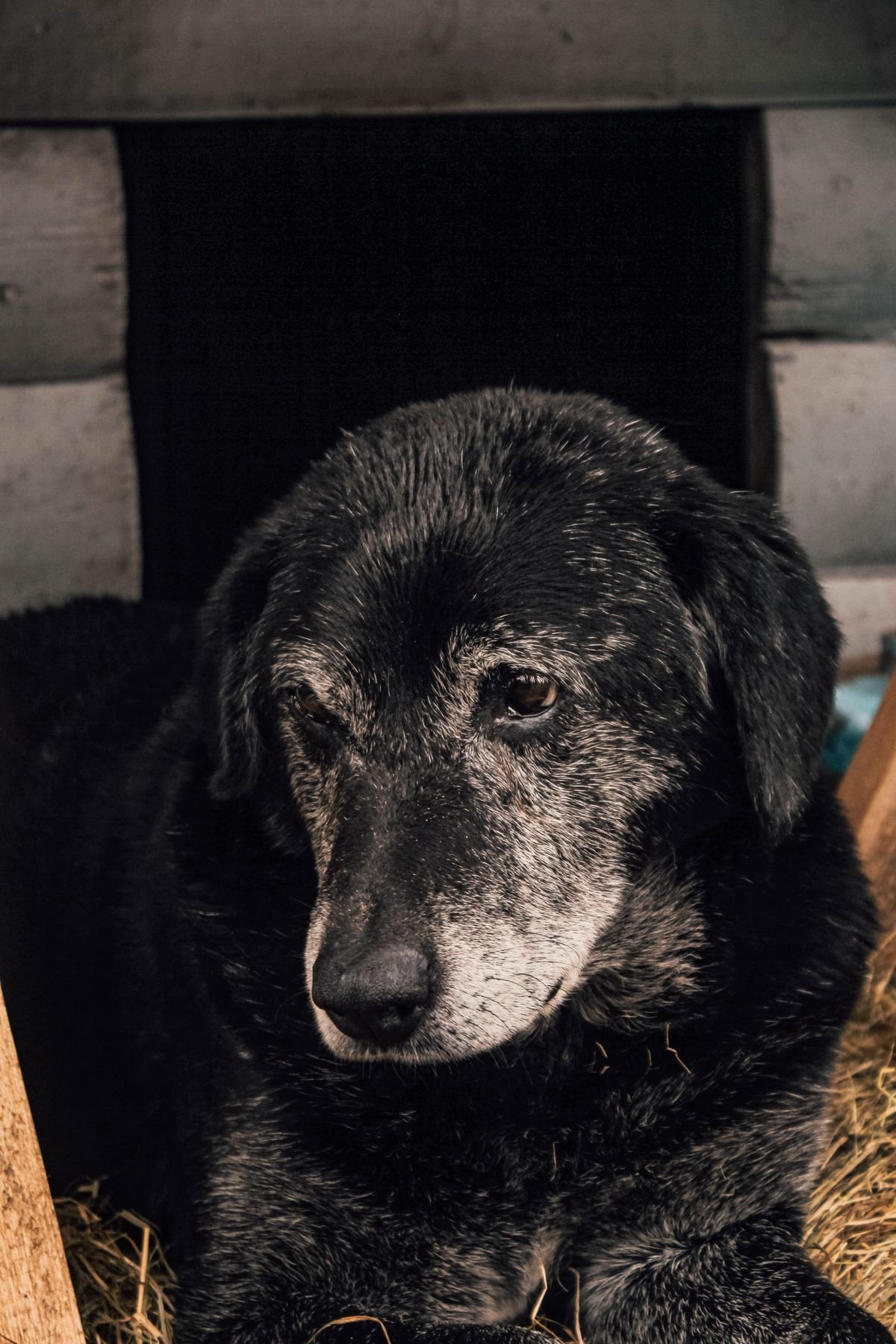
Senior Cockapoos — roughly 8 years and older — are the dogs most often overlooked in rescue, and often the best match for many homes. The reasons are practical, not sentimental.
You know what you are getting. A senior dog’s size, coat, temperament, and health are already known. There is no guessing about adult size or coat change, and no surprise about whether the dog will be calm or high-energy. What you meet is largely what you live with.
Many are already trained. Senior owner surrenders are often house-trained, crate-trained, and familiar with basic commands, because they lived in a home before. You skip the puppy phase entirely: no teething, no 2 a.m. bathroom trips, no chewed furniture.
They are calmer, not broken. Senior Cockapoos still enjoy walks, play, and cuddles, but at a gentler pace. For older owners, apartment dwellers, or anyone who wants companionship more than chaos, that pace is a feature, not a flaw.
The trade-offs are honest. Senior dogs may need more vet visits, joint support, dental care, or medication, and their remaining lifespan is shorter than a puppy’s. Rescues should tell you about known conditions upfront, and you should budget for senior vet care. For what senior life actually looks like, see our senior Cockapoo care guide.
Adoption fees are often lower. Many rescues reduce or waive fees for senior dogs, and some offer lifetime support or discounted vet care for senior adopters. Ask about senior programs when you apply; they exist more often than listings mention.
If you are considering a senior, ask the rescue three questions: What is the dog’s known medical history? What medication, if any, is it on? And what does a typical day look like for this dog in foster care? The answers tell you more than any listing photo.
Assessment Questions to Ask Before You Adopt
Rescues appreciate adopters who ask good questions, because good questions lead to lasting matches. Use this list at the meet-and-greet or in your application:
About the dog’s history. Why was this dog surrendered? How long has it been in rescue or foster care? Has it lived with children, cats, or other dogs, and how did it do?
About behavior. Is the dog house-trained? How does it do alone for a few hours? Does it bark a lot, guard food or toys, or show anxiety in new places? What is it afraid of, if anything?
About health. What vet care has it had, and what is outstanding? Does it take medication? Does it have dental disease, ear problems, or joint issues? What food is it eating, and does it have any allergies?
About grooming. What coat type does it have, and how does it handle brushing, baths, and groomer visits? Does it tolerate ear cleaning and nail trims?
About the rescue’s support. What happens if the adoption does not work out? Is there a trial period? Who do I contact with behavior or health questions in the first month?
There are no wrong answers to these questions, only mismatches. A dog that is not good with cats is not a bad dog; it is a bad fit for a cat household. A dog that needs an experienced owner is not a problem dog; it is a dog that needs the right home. Honest answers protect both sides.
The First Month: The 3-3-3 Rule
Rescue workers often describe adjustment with the 3-3-3 rule: 3 days to decompress, 3 weeks to learn your routine, and 3 months to feel fully at home. It is a guideline, not a guarantee — some dogs settle faster, some slower — but it sets realistic expectations and prevents the most common adopter mistake: judging a rescue dog by its first three days.
Days 1–3: Decompression. Your new Cockapoo may be quiet, clingy, or the opposite: restless, pacing, or hiding. It may not eat normally, may have accidents despite being house-trained, and may test boundaries. Keep the home calm, limit visitors, stick to a simple routine of food, water, walks, and rest, and do not overwhelm the dog with new people, places, and training all at once. A crate or a quiet room as a safe space helps, even for dogs that will eventually sleep on your bed.
Weeks 1–3: Learning the routine. The dog starts to learn your schedule: when walks happen, where food comes from, who is in the household, and what the rules are. Personality begins to emerge — the shy dog may turn playful, the hyper dog may start to settle. This is the right time to start gentle training and socialization, in short, positive sessions, and to introduce new experiences gradually rather than all at once. For what those first weeks should include, see our Cockapoo first week home guide, which applies to rescue adults as well as puppies, with the puppy-specific parts adjusted for age.
Months 2–3: Feeling at home. By three months, most rescue Cockapoos show their true personality: their real energy level, their favorite people, their quirks, and their confidence. Training sticks better now, because trust is established. If problems persist beyond three months — persistent anxiety, aggression, or house-training failure — that is the time to seek professional help, not a sign the adoption has failed. Many issues that look permanent at week one resolve by month three with consistency and patience.
A note on the “honeymoon” effect. Some rescue dogs are on their best behavior for the first days, then test boundaries once they feel safe. That testing is actually a good sign: it means the dog feels secure enough to be itself. Respond with calm consistency, not surprise or punishment, and the testing phase passes.
Preparing Your Home Before Adoption Day
A little preparation makes the first week far easier. You do not need to buy everything at once, but these basics should be ready:
Essentials: Food (ask the rescue what the dog is eating, and transition gradually if you change it), water bowls, a leash and harness, a crate or bed, waste bags, and a vet appointment booked within the first week or two.
Safety: Secure fence gaps, remove toxic plants from reach, store medications and cleaning products out of reach, and set up a quiet space where the dog can retreat.
Grooming: A slicker brush, a metal comb, and a plan for the first groomer visit, especially if the dog’s coat is matted or overgrown from shelter life. Do not attempt a full groom on day one; let the dog settle first, then groom gradually.
Household agreement: Decide the rules before the dog arrives — where it sleeps, whether it is allowed on furniture, who walks it, and what commands everyone will use. Consistency from every family member matters more than perfection from one person. For a full new-dog checklist, see our Cockapoo new puppy checklist, which works for rescue adults too, minus the puppy-specific items.
Frequently Asked Questions
How much does it cost to adopt a Cockapoo?
Most US adoption fees fall between about $100 and $500, usually covering spay or neuter, vaccines, microchip, and a vet exam. Senior dogs are often at the lower end, and some rescues waive fees for senior citizens.
Where can I adopt a Cockapoo near me?
Start with Adopt-a-Pet and Petfinder, searching “Cockapoo” and also “Poodle mix,” then check local shelters, humane societies, and Poodle-mix or doodle rescues in your state. Set up alerts, because popular small dogs are adopted quickly.
Is it better to adopt a Cockapoo puppy or an adult?
It depends on your home. Puppies need intensive training and time; adults and seniors often arrive house-trained with known personalities, which suits many owners better. There is no universally better choice, only a better fit.
How long does it take a rescue Cockapoo to settle in?
Use the 3-3-3 rule as a guide: about 3 days to decompress, 3 weeks to learn your routine, and 3 months to feel fully at home. Some dogs settle faster, some slower, and testing boundaries after the first week is normal.
Do rescue Cockapoos have behavior problems?
Most do not. Most are surrendered because of a change in their owner’s circumstances — a move, a divorce, an allergy, a new baby — not because of the dog. Rescues should tell you honestly about any known behavior issues, and most issues improve with consistency and time.
Conclusion
Adopting a Cockapoo rescue is not the backup plan for people who cannot find a breeder. For many owners, it is the better plan: a dog whose personality is known, whose training is often partly done, and whose gratitude is obvious from the first week. Search broadly, ask honest questions, expect the fee to cover real vet care, give a senior dog a serious look, and allow the full three months for your new dog to become truly yours. The listings will change daily, but the process does not — and a careful adopter who follows it usually ends up with exactly the companion they were looking for.



Leave a Reply