Cockapoo ear infections: why this breed is prone, yeast vs bacterial vs mites, the ear-hair plucking debate, home cleaning protocol, and vet-visit triggers.
Quick answer: Cockapoos get ear infections because floppy ears + hair in the ear canal + trapped moisture create the perfect breeding ground. Watch for head shaking, scratching, redness, odor, or brown/yellow/green discharge — any of these means a vet visit (ear infections don’t resolve on their own). Prevention: dry ears after baths and swims, do a 60-second weekly check, and clean only when there’s visible debris.
If you own a cockapoo, ear issues aren’t a question of if — they’re a question of when and how often. The good news: once you understand the mechanics, most infections are preventable, and the ones that happen get caught early.
Why Cockapoos Are Prone: The Triple Threat
Three breed traits stack against the ears:
- Floppy ears seal the canal opening, restricting airflow. A warm, dark, poorly ventilated canal is exactly what yeast and bacteria want.
- Hair in the ear canal. Cockapoos grow hair inside the canal itself, which traps wax, debris, and moisture against the skin.
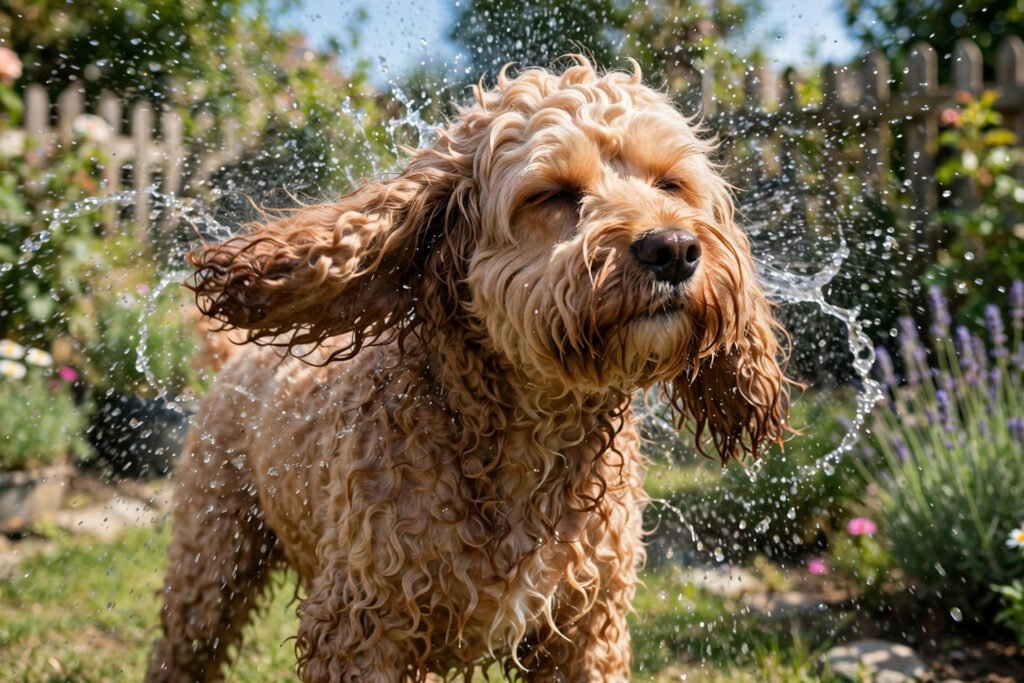
- Moisture lovers. This breed swims, plays in rain, and gets bathed often — every wet episode that isn’t dried properly feeds the problem.
Any one of these raises risk. All three together explain why ear infections are arguably the #1 recurring health complaint in the breed.
Yeast vs Bacterial vs Mites: Know Your Enemy
No page 1 article distinguishes these — but treatment differs, so the distinction matters:
| Yeast (most common) | Bacterial | Ear mites | |
|---|---|---|---|
| Discharge | Dark brown, waxy | Yellow or green, pus-like | Dark, dry, coffee-ground-like |
| Smell | Musty, sweet-ish, “corn chip” odor | Foul, sharp | Mild or none |
| Itch level | Moderate–severe | Severe, often painful | Intense — frantic scratching |
| Who gets it | Adults, allergy-prone dogs | Any age, often secondary to another issue | Mostly puppies and young dogs |
| Key clue | Recurring, both ears, worse in humid weather | Sudden onset, may follow swimming or a foreign body | Often affects littermates / housemate cats too |
Why this matters: yeast needs antifungals, bacteria need antibiotics, mites need parasiticides. Using the wrong treatment wastes weeks — which is why the vet takes a swab (see below) instead of guessing. Don’t try to self-diagnose from this table; use it to have a smarter conversation at the vet.
 CockapooDaily
Signs of an Ear Infection
- Head shaking or tilting
- Scratching or pawing at the ears
- Redness inside the ear flap or canal
- Foul or unusual odor from the ears
- Discharge — brown, yellow, or green
- Swelling, heat, or pain when ears are touched
- Waxy buildup, crusting, or scabs
- Whining when scratching
One mild symptom for a day can be nothing. Multiple symptoms, or any symptom persisting beyond 24–48 hours, is a vet visit.
Traffic-Light Guide: Watch, Call, Go Now
🟢 Watch at home: Occasional ear scratch with no redness, odor, or discharge. A little wax. Do the weekly check, keep ears dry, and monitor for 24–48 hours.
🟡 Call the vet (appointment within days): Persistent scratching or head shaking, redness, mild odor, brown waxy discharge, mild swelling. This is the classic early infection — highly treatable now, harder later.
🔴 Go now (urgent): Yellow/green pus-like discharge, strong foul odor, crying when ears are touched, head tilt that won’t resolve, swelling that closes the canal, sudden hearing changes, or a puppy that’s lethargic and off food. Untreated infections can rupture the eardrum and become dramatically harder (and more expensive) to resolve.
What the Vet Visit Actually Involves
Knowing the process removes the anxiety:
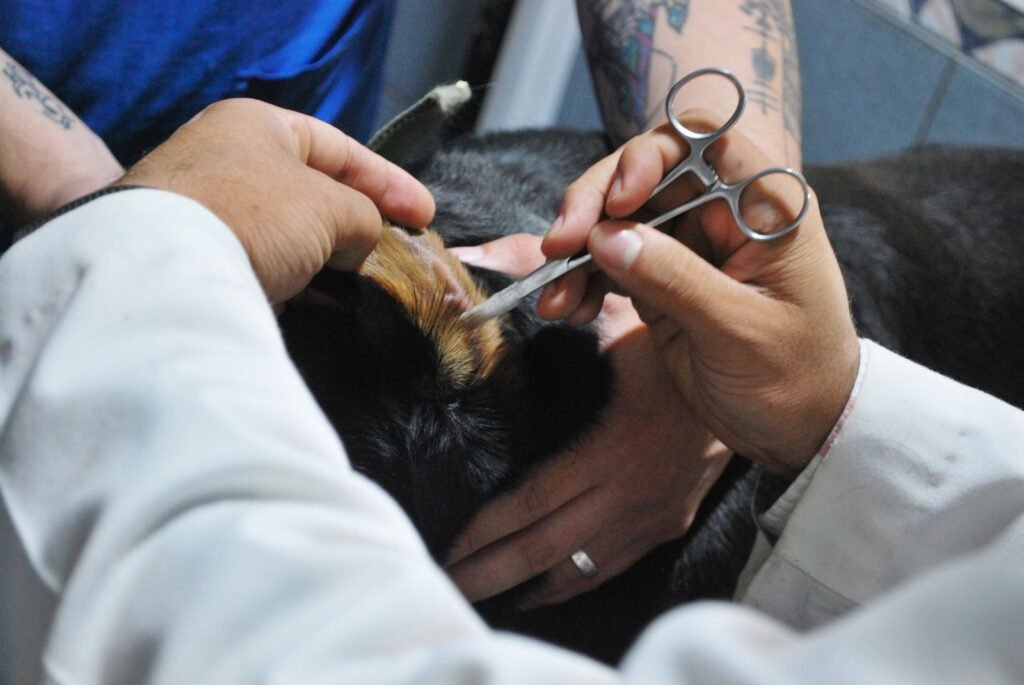
- Exam — visual check of the canal and eardrum with an otoscope.
- Swab/culture — a sample examined under the microscope (yeast? bacteria? mites?) and sometimes cultured to pick the exact medication. This step is why vet treatment beats guessing — especially for recurring cases.
- Ear wash — professional cleaning to clear wax and discharge so medication can reach the skin.
- Prescribed drops — antifungal, antibiotic, or anti-parasitic, usually 7–14 days. Finish the full course even if symptoms vanish in three days.
US cost guide: exam $50–$100; swab/cytology $40–$80; medication $20–$60. A straightforward first infection typically runs $100–$250 all-in. Chronic cases needing cultures, allergy workups, or referral add up — which is one more reason to catch them early.
 CockapooDaily
Home Ear-Cleaning Protocol (Step by Step)
Cleaning treats nothing — but done right, it prevents a lot. Clean only when there’s visible debris or your vet recommends it. Most healthy ears do not need weekly deep cleaning; over-cleaning irritates the canal and causes the very problems you’re trying to avoid.
- Use a vet-approved ear cleaner (available at Chewy, PetSmart, Petco, Amazon — ask your vet which formula suits your dog).
- Gently lift the ear flap to straighten the canal.
- Squeeze cleaner into the canal as directed — don’t jam the nozzle deep.
- Massage the base of the ear for 20–30 seconds. You’ll hear a squelching sound — that’s the cleaner breaking up debris.
- Let the dog shake (stand back).
- Wipe loosened debris from the visible ear with soft cotton pads.
Never use cotton swabs inside the canal — they pack debris deeper and risk the eardrum. Cotton pads on the visible flap only.
The 60-Second Weekly Check
Prevention starts with knowing what’s normal for your dog. Once a week:
- [ ] Look: lift each flap — healthy ears are pale pink, no redness, no swelling
- [ ] Smell: healthy ears smell like… nothing much. Any strong, sweet, or foul odor is a flag
- [ ] Feel: the flap should be cool and dry, not hot or damp
- [ ] Watch: note any new head-shaking or scratching since last week
Thirty seconds per ear. Owners who do this catch infections at the 🟡 stage instead of the 🔴 stage — the difference between $150 and $500, and between a week of drops and a month of misery.
Ear Hair: Pluck or Trim? (The Controversy)
Here’s the debate no cockapoo page covers: groomers have traditionally plucked hair from the ear canal; a growing number of vets now say don’t.
- The old logic: hair traps moisture and wax, so remove it.
- The new evidence: plucking creates microscopic tears in the canal skin — entry points for bacteria. Post-grooming ear infections are a documented phenomenon, and plucking is a suspected contributor. Veterinary dermatology guidance now leans toward plucking only if hair growth is excessive enough to block airflow or trap debris on its own.
- The middle path most vets recommend now: keep the hair trimmed short (thinning shears, careful scissoring by the groomer) rather than yanked out. Less trauma, same airflow benefit.
What to do: ask your vet to assess your dog’s ear hair at the next visit. Heavy, matting canal hair → discuss plucking. Light fuzz → trimming is enough. And tell your groomer which approach your vet prefers — don’t assume they know.
Post-Bath & Swim Drying Protocol
“Keep ears dry” is one line everywhere and a procedure nowhere. Here’s the procedure:
After every bath:
1. Before the bath even starts, place a loose cotton ball in each outer ear (not deep) to block water entry.
2. Wash the head with a washcloth, not direct spray.
3. After the bath, remove the cotton, then gently dry inside each flap with a soft dry cloth or fresh cotton pad.
4. Let the dog shake, then check: flap interior should feel dry to the touch.
After every swim:
1. Rinse with fresh water if it was a pool or ocean (chlorine and salt irritate).
2. Dry the flaps thoroughly — same cloth method.
3. For frequent swimmers, ask your vet about a drying ear cleaner for post-swim use.
Swimming doesn’t have to stop — it just needs a 2-minute drying ritual attached.
What NEVER to Put in Ears
- Hydrogen peroxide or rubbing alcohol — burns inflamed tissue, damages healing skin
- Vinegar solutions — the internet’s favorite DIY; painful on any broken skin and no match for real infection
- Essential oils — toxic risk plus irritation, zero proven benefit
- Water alone as a “flush” — adds the very moisture you’re fighting
- Cotton swabs deep in the canal — impaction and eardrum risk
If the ear is infected, nothing from your kitchen cabinet treats it. Vet, swab, proper medication.
When Infections Keep Coming Back: Look Beyond the Ears
One infection is bad luck. Three in a year is a pattern — and the pattern usually isn’t in the ears:
Allergies are the #1 driver of chronic ear infections. Food allergies and environmental allergies (pollen, dust mites) inflame the skin everywhere, and the ear canal — warm, closed, sensitive — shows it first and worst. If your cockapoo’s ears flare every spring, or infections always come with itchy paws and licking (see why does my cockapoo lick its paws so much), the ears are the symptom. The workup is: vet → allergy investigation (diet trial and/or environmental testing) → treat the cause, not just the flare.
Other recurrence drivers: unresolved underlying infection (course not finished), resistant bacteria (needs culture, not repeat guessing), or chronic moisture (the swimmer who never dries).
Prevention Routine (The Short Version)
- 60-second weekly check (look, smell, feel)
- Dry ears after every bath and swim — every time, no exceptions
- Clean only when visibly dirty, with vet-approved cleaner
- Keep canal hair trimmed (vet-guided pluck-vs-trim decision)
- Finish every medication course completely
- Investigate allergies if infections recur
Frequently Asked Questions
What does a healthy cockapoo ear look like? Pink, clean-smelling, with only a small amount of light wax. Check the ears once a week: lift the flap, look inside, and smell. If the ear is clean, leave it alone — over-cleaning irritates the skin and causes the very infections you are trying to prevent.
Can I use cotton buds (Q-tips) to clean my cockapoo’s ears? No — never put a cotton bud inside the ear canal. It pushes wax and debris deeper and can damage the eardrum. Use cotton balls or pads on the outer ear only, with a vet-approved ear cleaner, and let the dog shake the rest out.
Why does my cockapoo’s ear smell bad? A bad smell from the ear almost always means infection — yeast or bacteria growing in the warm, moist canal. It usually comes with dark brown discharge, redness, and head-shaking. A smelly ear needs a vet visit, not a home clean: the vet identifies the organism and prescribes the right drops.
Should I pluck the hair from my cockapoo’s ears? This is a genuine controversy, and vets increasingly advise against plucking: pulling hair damages the skin inside the ear and can trigger the irritation and infection you are trying to avoid. Trim the hair around the ear opening instead, keep the ear dry, and never pluck an ear that is already infected — ask your vet at the next visit.
Can cockapoo ear infections go away on their own?
Essentially never. Infections need proper diagnosis and medication — waiting lets them deepen, spread, and potentially damage the eardrum. Early treatment is cheaper and kinder.
How do I clean my cockapoo’s ears effectively?
Vet-approved cleaner, massage the base 20–30 seconds, let the dog shake, wipe the visible ear with cotton pads. Only when visibly dirty — not on a fixed weekly schedule.
Should I clean my puppy’s ears every week?
Check weekly, clean as needed. Routine deep-cleaning of healthy ears irritates the canal and can cause problems. The check is the habit; the cleaning is conditional.
Can diet affect my dog’s ear health?
Yes — food allergies are a leading cause of recurring ear infections. If infections keep returning, discuss a diet trial with your vet.
My puppy keeps scratching her ears — is it serious?
Puppies scratch for many reasons, including mites (more common in the young). If there’s redness, odor, discharge, or whining — vet visit. If it’s occasional scratching with clean, pink ears — monitor with the weekly check.
Which medication treats a cockapoo ear infection?
It depends on the cause — antifungals for yeast, antibiotics for bacteria, parasiticides for mites. That’s exactly why the vet swabs first. Never use leftover drops from a previous infection; the cause may differ.
This article is for information only and isn’t a substitute for veterinary advice. When in doubt, call your vet — ears are one area where early professional care genuinely changes outcomes.
The Bottom Line
Floppy ears, canal hair, trapped moisture — the triple threat is permanent, but infections don’t have to be. Weekly 60-second checks, religious post-bath drying, cleaning only when needed, and a vet visit at the first 🟡 signs will keep most cockapoos’ ears healthy for life. And if infections keep returning, stop treating ears and start investigating allergies.
Next: Ears and eyes are the breed’s weak spots — see cockapoo tear stains for the other one.

Leave a Reply